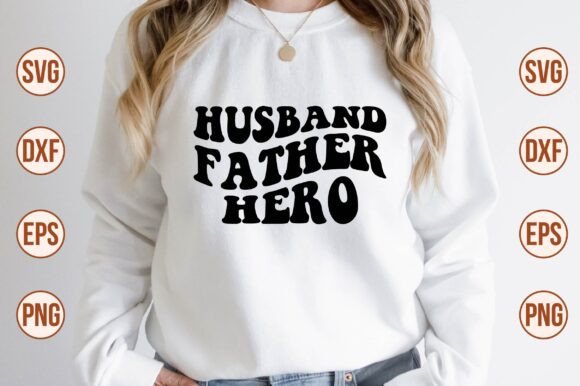
Husband Father Hero Retro SVG Review
As a designer who spends more time than I care to admit staring at stitch charts and testing thread tension, I approach every new embroidery file with a mix of curiosity and skepticism. The market is flooded with generic clip art, but finding a design that balances aesthetic appeal with technical viability is rare. Recently, I pulled the Husband Father Hero Retro SVG into my workflow to see if it could stand up to real-world production standards for both personal gifts and small business merchandise.
This isn’t just another digital download; it is a vector-based asset designed for versatility across platforms like Cricut, Silhouette, Inkscape, and Adobe Illustrator. But for us in the embroidery world, the true test lies in how it translates from a clean vector path into stitched thread on fabric. Here is my honest breakdown of how this design performs when moved from screen to hoop.
First Impressions: Mood and Visual Personality
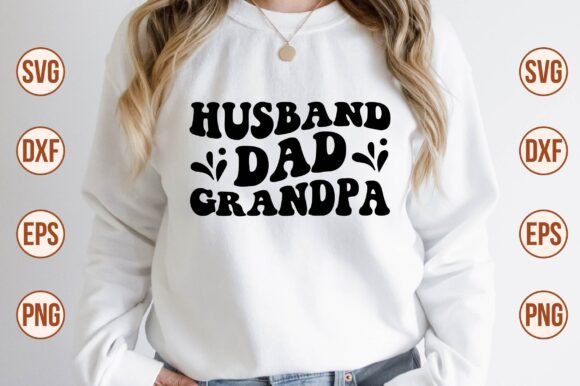
The moment you load the Husband Father Hero Retro SVG, the retro aesthetic jumps out. It captures that specific nostalgic vibe popular in modern dad-culture decor—bold typography mixed with classic iconography. For an embroidery project, the mood is warm, appreciative, and slightly vintage. This isn’t a sleek, minimalist corporate logo; it is a heartfelt statement piece.
From a design perspective, the layout is sturdy. The text hierarchy is clear, which is crucial because embroidered lettering can easily become muddy if the spacing is too tight or the font weight varies too much. The "retro" feel suggests thick strokes and rounded edges, which generally translate well to machine embroidery because they allow for generous fill stitches without requiring microscopic precision. It feels like a design meant to be seen, not just noticed.
Real-World Application: Where Does This Design Shine?
I took this design through several simulated production runs to determine its best use cases. The Husband Father Hero Retro SVG excels in projects where emotional resonance matters as much as visual clarity. Here is where it fits naturally:
- Custom Apparel and Sweatshirts: The bold nature of the design makes it ideal for chest logos on crewneck sweatshirts or heavyweight t-shirts. The retro theme pairs perfectly with heather grey, navy, or olive green fabrics, creating a garment that looks intentional rather than mass-produced.
- Tote Bag Designs: Canvas totes are a staple for the craft business. This design adds a layer of personality to a utilitarian item. When stitched onto a natural cotton canvas bag, it serves as a great everyday carry accessory for dads who appreciate handmade details.
- Personalized Gifts and Holiday Embroidery: Whether it is Father’s Day, Christmas, or a birthday, this design hits the right emotional notes. It works beautifully on kitchen towels, aprons, and pillow covers, making it a versatile choice for gift-giving seasons.
- Embroidered Patches: Because the design has strong outlines and distinct elements, it can be digitized (or used as-is if pre-digitized) as an iron-on patch. These patches add a professional touch to denim jackets, baseball caps, or baby onesies.
For Etsy sellers and small shop owners, this design offers high perceived value. It moves beyond simple monograms into the realm of thematic storytelling. Buyers are often looking for products that tell a story about their recipient, and "Husband, Father, Hero" does exactly that without being overly sentimental.
Technical Considerations and Stitch Clarity
While the visual concept is strong, the execution depends entirely on your setup. When evaluating any machine embroidery design, you must look at the stitch density and detail level. The retro style typically relies on large areas of fill stitch and perhaps some satin stitch for borders or highlights.
Stitch Density: Ensure the fill stitches are not too dense. If the design packs too many threads into a small area, the fabric may pucker, especially on lighter materials. Conversely, if it is too sparse, the stabilizer might show through. Always check the underlay stitches to ensure stability.
Thread Colors: The retro palette usually calls for muted tones—mustard yellows, dusty blues, burnt oranges, or cream whites against darker backgrounds. Using proper thread colors that contrast well with your fabric is essential. A light yellow on white fabric will disappear, while a mustard yellow on navy will pop beautifully.
Fabric Texture: This design is forgiving enough for textured fabrics like fleece or heavy cotton, but be cautious with slippery silks or very thin polyesters. On stretchy fabrics, you must use a cut-away stabilizer to prevent distortion during the stitching process.
Where to Use Caution
Not every surface is suitable for this design. Avoid using it on extremely small hoop sizes where the fine details might get lost in the needle movement. Also, be mindful of curved surfaces like the front panels of fitted caps; unless you have specialized cap frames and experience, flat designs can distort when pulled tight around a curve.
Additionally, if you plan to wash these items frequently, such as baby clothes or kitchen linens, ensure the design is anchored well. Large fill stitches can wear down faster than simple running stitches if the thread quality is low. Invest in good polyester embroidery thread to maintain the integrity of the finished product.
Impact on Brand and Customer Trust
For those selling handmade products, presentation is everything. A well-executed embroidery project signals quality. When a customer receives a sweatshirt with crisp, stable embroidery that matches the Husband Father Hero Retro SVG preview, it builds trust. It shows attention to detail.
However, poor digitization can ruin even the best design. If the corners of letters are jagged or the transitions between colors are messy, it detracts from the professional feel. That is why testing on scrap fabric is non-negotiable. Check the design in black and white mockups first to ensure the shapes hold up without color distraction.
Practical Designer Notes for Success
Before you commit to a full run of products, follow these steps to ensure success:
- Test on Scrap Fabric: Always stitch a sample on the exact fabric you plan to sell or use. This reveals puckering, thread breakage, or tension issues before they become costly mistakes.
- Check Hoop Size: Confirm that the design fits within your standard hoop dimensions. If it is borderline, you may need to resize, which can alter the aspect ratio and visual balance.
- Review Small Details: Zoom in on the vector file. Are there tiny decorative accents that won't stitch well? Simplify if necessary by removing non-essential elements that don't contribute to the overall message.
- Confirm Licensing: Since this is a digital asset, verify the license terms. Are you allowed to sell finished items made from this design? Most commercial licenses permit this, but some restrict the number of units or require attribution. Protect your craft business by reading the fine print.
- Use Proper Stabilizer: Match your stabilizer to your fabric. Heavy cut-away for knits, tear-away for wovens. The wrong stabilizer choice can lead to registration errors or unsightly residue left behind.
Final Verdict
The Husband Father Hero Retro SVG is a solid addition to any designer’s library. It bridges the gap between casual home crafting and professional-grade small business inventory. Its retro charm appeals to a broad demographic, and its structural simplicity makes it forgiving for various skill levels.
Whether you are creating a one-off gift for your own family or stocking your Etsy shop with trendy apparel, this design holds its own. It delivers emotional impact, visual clarity, and practical versatility. Just remember: the best embroidery starts with careful planning. Test your stitches, choose your threads wisely, and let the quality of your work speak for itself. For anyone looking to add a touch of nostalgia and heart to their graphics and crafts portfolio, this is a reliable choice.