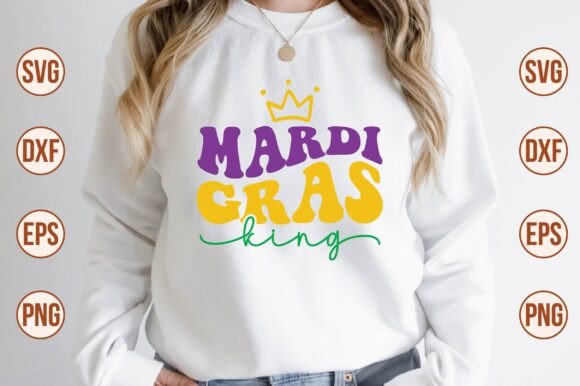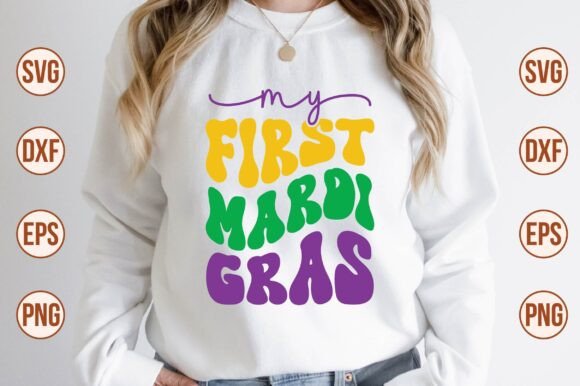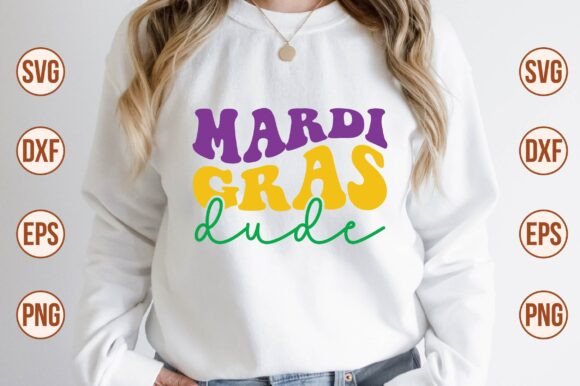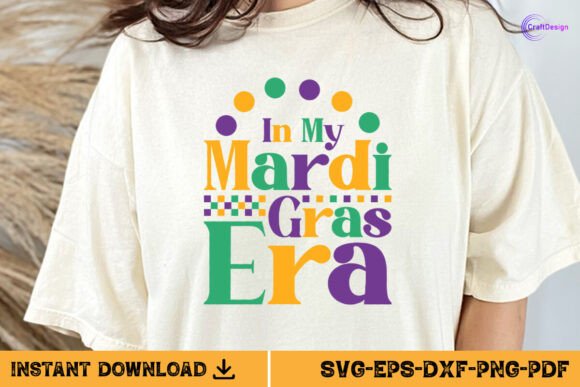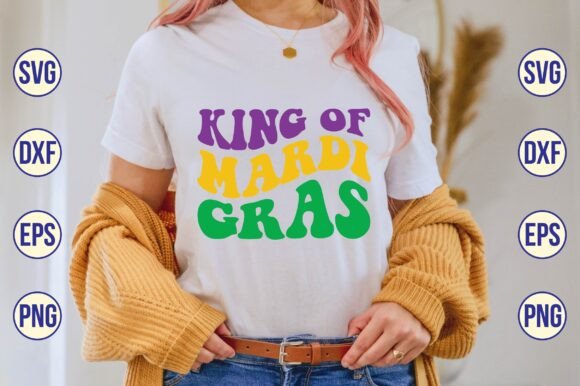
King of Mardi Gras Retro SVG
When I first opened the King of Mardi Gras Retro SVG, my immediate reaction wasn’t about the file format or the technical specs—it was about the vibe. There is a specific energy to retro Mardi Gras graphics that, when executed well, can elevate a simple craft project into something that feels like a boutique collectible. As a designer who reviews these assets for real-world application, I look past the flashy colors in the digital preview and focus on how the design will behave under the needle. This piece carries a nostalgic weight, blending the festive chaos of New Orleans with a clean, vintage aesthetic that translates surprisingly well to textile.
The initial impression is one of bold confidence. The layout suggests a strong central focal point, likely utilizing thick lines and distinct shapes that are forgiving of minor stitching inconsistencies. For those of us who have spent hours troubleshooting thread breaks and tension issues, this kind of structural integrity is appealing. It doesn’t scream for perfection; instead, it invites character. This makes it an excellent candidate for custom apparel where you want the garment to feel lived-in and authentic rather than sterile and factory-made.
Real-World Application: From Screen to Stitch
I recently considered using this design for a batch of custom tote bags intended for a local spring festival market. The concept was to create a handmade product that felt celebratory but not overly costumey. When I laid out the embroidery file digitally over a canvas bag mockup, the contrast popped immediately. However, moving from screen to fabric requires a different mindset.
In practice, this design shines on structured items. A heavy cotton canvas tote or a denim sweatshirt provides the stability needed to support the graphic’s visual weight. I envision this as a standout piece for a small shop product line, particularly for Etsy sellers looking to capitalize on seasonal trends without reinventing the wheel. The retro theme allows it to fit into various contexts—from a humorous gift for a college student to a chic accessory for a party hostess. It bridges the gap between holiday embroidery and everyday wearable art.
For commercial embroidery projects, the versatility here is key. While the theme is specific, the execution is broad enough to appeal to a wide audience. Imagine this embroidered on a high-quality apron for a chef who loves to cook during carnival season, or perhaps on a pillow cover for a nursery decor item that celebrates family heritage. The design’s ability to function as both a statement piece and a subtle nod to tradition makes it a valuable asset in any design assets library.
Where Caution Is Required
No design is universally perfect, and the King of Mardi Gras Retro SVG has its limitations based on physical constraints. If you are planning to stitch this onto a curved surface like a baseball cap, you need to be mindful of the distortion. Curved surfaces can stretch the fabric, potentially warping the symmetry of the retro elements. In such cases, using a stiffener or a specialized cap hoop is non-negotiable to maintain the professionalism of the finished product.
Similarly, delicate fabrics require careful consideration. Thin jersey or loose-weave linens may pucker if the design contains dense areas of fill stitch. Before committing to a full production run, always test the design on scrap fabric. Check the stitch density to ensure the stabilizer is providing adequate support. If the back of the embroidery looks messy or the fabric distorts, the visual appeal on the front will suffer, regardless of how beautiful the original vector looked.
Another area to watch is small detail work. While the overall shape is clear, tiny decorative accents or thin connecting lines might get lost in thicker threads or become difficult to stabilize. If your goal is a crisp, high-definition look, you might need to simplify the design slightly or use finer gauge threads. This is especially important for personalized gifts where the recipient expects precision. A blurry lettering element or a jagged edge can undermine the perceived value of the item.
Technical and Aesthetic Considerations
The file compatibility mentioned—supporting formats like EPS and DXF—is a significant advantage for designers who work across multiple platforms. Whether you are using Cricut for cutting vinyl overlays or importing into Adobe Illustrator for color manipulation, having editable vectors gives you control. You can adjust the scale, rotate the orientation, or even deconstruct the layers to create variations. This flexibility is crucial for craft business owners who need to adapt designs for different products quickly.
When selecting thread colors, stick to the spirit of the theme but don’t be afraid to modernize it. Traditional purple, green, and gold are obvious choices, but muted pastels or monochromatic schemes can give the design a more contemporary, sophisticated feel. Testing these combinations in black-and-white mockups helps you understand the contrast levels before you waste expensive thread. Good contrast ensures that the satin stitch outlines and running stitch details remain legible from a distance.
For those selling finished goods, presentation matters. A well-executed embroidery project signals quality. Customers can often tell the difference between a rushed job and one where the designer took the time to check the hoop size and align the grainline properly. Using the right stabilizer—whether cut-away for stretchy fabrics or tear-away for stable wovens—makes a huge difference in the longevity of the finished product. Frequent washing should not cause the design to peel, fade, or distort.
Final Verdict for Designers
The King of Mardi Gras Retro SVG is a solid addition to any crafter’s collection, provided you approach it with realistic expectations. It is not a magic bullet that fixes poor technique, but it does provide a strong foundation for creative expression. It works best when paired with sturdy fabrics and appropriate hardware. For digital product sellers, offering this as part of a bundle or alongside tutorial content can add value. For the hobbyist, it offers a fun, manageable project that yields impressive results.
Before you start stitching, remember to review the licensing terms carefully. Ensure you have the rights to sell finished items if you plan to use this for commercial purposes. Understanding the boundaries protects your reputation and keeps your business compliant. Test thoroughly, trust your eye, and let the design guide your creativity. When done correctly, this retro gem can transform a plain piece of fabric into a memorable keepsake that captures the joy of the season.
- Test on scrap fabric to check tension and puckering.
- Verify stitch density against the fabric type.
- Use appropriate stabilizers for stretchy or textured materials.
- Check licensing rights before selling finished merchandise.
- Consider black-and-white mockups to assess contrast clarity.