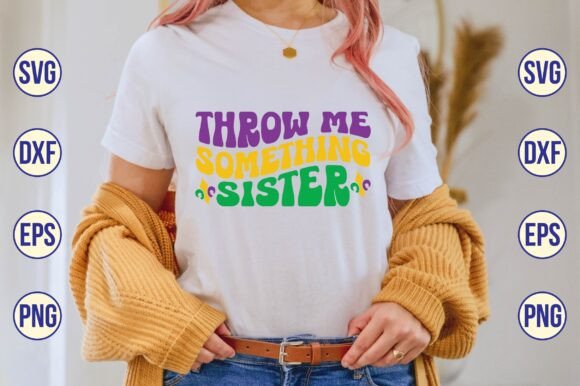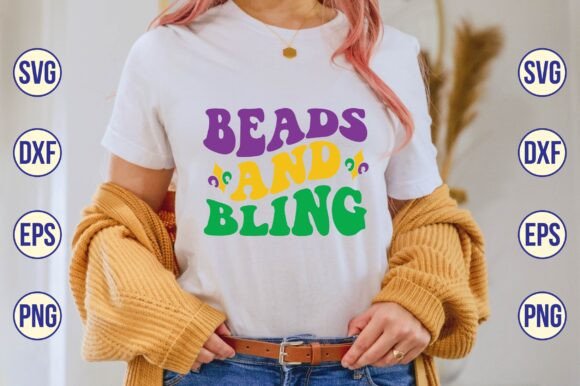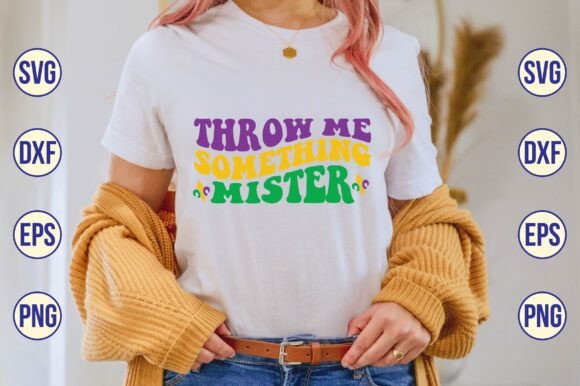
Throw Me the Beads Retro SVG Review
As a designer who spends more time than I care to admit staring at stitch charts and testing thread tensions, I approach every new digital embroidery file with a healthy dose of skepticism. The market is flooded with generic clipart that looks fine on a screen but falls apart when pushed through an embroidery machine. That is why I decided to put Throw Me the Beads Retro SVG through its paces before recommending it for any commercial or personal project. This isn’t just about whether the file opens correctly in your software; it is about how the design translates from vector to fabric.
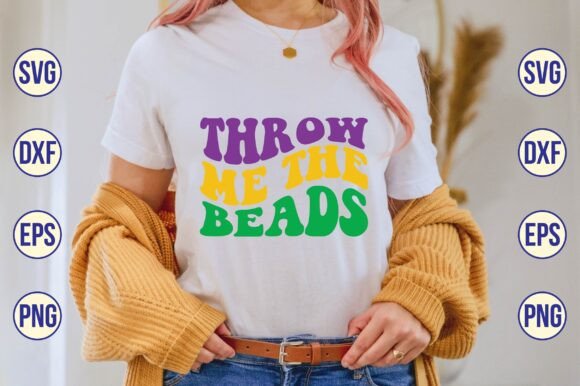
The immediate first impression of this design is one of playful nostalgia. The retro aesthetic captures a specific mood—celebratory, slightly chaotic, and undeniably fun. For a designer looking to add personality to a handmade product, this visual weight is crucial. It doesn’t whisper; it shouts with confidence. When I first loaded the EPS file into Adobe Illustrator, the clean vector lines promised crisp edges, which is exactly what you want when planning a complex machine embroidery design. However, my job is to look past the digital perfection and imagine the physical reality of the finished item.
Real-World Application: The Custom Tote Bag Scenario
To truly evaluate this asset, I had to visualize it in a real-world context. I imagined preparing a custom embroidered tote bag for a boutique client who specializes in party favors and event merchandise. The client wanted something that screamed "celebration" without being overly literal or childish. Throw Me the Beads Retro SVG fits this niche perfectly. The phrase itself is iconic, and the retro styling gives it a vintage appeal that resonates with current fashion trends.
When I mock up the design on a canvas tote, the layout feels balanced. It has enough negative space to breathe, which is essential for readability. If you are an Etsy seller or running a small shop, you know that the "thumb-stop" factor on product photos is everything. A design that is too cluttered can look messy in low-resolution images, but this graphic maintains its integrity. The bold curves and clear typography ensure that even when shrunk down for a thumbnail, the message remains legible. This is a significant advantage for printable mockups and design assets where clarity is king.
Technical Performance and Stitch Considerations
While the vector file provided is ready for cutting machines like Cricut or Silhouette, my primary focus here is its viability as an embroidery file. The DXF format suggests it is editable, allowing for adjustments in size and spacing. This flexibility is vital when adapting a single graphics asset for different applications, such as a large chest print on a sweatshirt versus a smaller placement on a baby onesie.
In terms of stitching behavior, the retro style typically relies heavily on satin stitch for outlines and fill stitch for solid areas. When converting this vector to stitches, designers must be mindful of stitch density. If the fill areas are too dense, the fabric may pucker, especially on lightweight materials. Conversely, if the running stitch details are too sparse, they may disappear into the fabric texture. I always advise testing the design on scrap fabric first to check how the thread colors interact with the base material. High contrast is key; a light-colored bead design on white fabric will vanish, while the same design on black denim will pop.
Another critical factor is the use of stabilizer. For a design with this much visual energy, a cut-away stabilizer is often necessary to maintain structure, particularly if the final product will undergo frequent washing. This is especially true for custom apparel like t-shirts and hoodies, where durability matters. If you are creating an embroidered patch or a cap, the hoop stability becomes even more important to prevent shifting during the embroidery process.
Where Caution Is Required
Not every surface is suitable for this level of detail. There are specific scenarios where Throw Me the Beads Retro SVG might struggle. On textured fabrics like heavy tweed or loose-weave linen, the intricate details of the retro beads may get lost. Similarly, on stretchy knits, improper hooping can lead to distortion. I also recommend avoiding this design for very small hoop sizes unless you are willing to sacrifice some of the finer decorative accents. Tiny lettering or small bead clusters can become muddy if the resolution of the stitch conversion is not high enough.
Furthermore, consider the end-user experience. If you are selling personalized gifts for babies or children, ensure that no small parts could pose a choking hazard if the embroidery were to unravel over time. While rare with quality workmanship, it is a responsible consideration for any maker producing items for vulnerable demographics. Also, think about the garment’s curvature. Applying a flat, wide design to a curved surface like a baseball cap requires careful digitizing to ensure the text doesn’t warp unnaturally.
Brand Consistency and Commercial Viability
For commercial embroidery projects, consistency is money. Using a versatile vector source allows you to scale the design across various products—from tea towels and pillow covers to aprons and blankets—while maintaining a cohesive brand identity. The retro theme is timeless enough to appeal to a broad audience, making it a safe bet for seasonal collections, such as holiday embroidery for New Year’s Eve parties or bachelor/bachelorette events.
This design also enhances perceived value. Customers are willing to pay a premium for small shop products that feel professionally designed. A sloppy or pixelated design signals amateur work, whereas a clean, well-executed embroidery project builds trust. By using a high-quality source file, you are investing in the reputation of your handmade business. It signals to your buyers that you care about the details, from the initial vector art to the final knotting of the threads.
Final Designer Notes
Before integrating Throw Me the Beads Retro SVG into your production workflow, take these practical steps:
- Test First: Always embroider a test sample on the actual fabric you plan to use. Check for puckering, thread breaks, and color accuracy.
- Check Licensing: Ensure you have the appropriate commercial license if you intend to sell finished goods. Digital product sellers must verify usage rights for both personal and commercial projects.
- Optimize Colors: Select thread colors that complement the retro palette but offer sufficient contrast against your chosen fabric.
- Review Details: Inspect small details in your digitizing software. Adjust stitch density if necessary to prevent fabric damage or poor coverage.
- Hoop Size Verification: Confirm that the design fits within your machine’s maximum hoop size, leaving room for proper stabilization.
In conclusion, Throw Me the Beads Retro SVG is a strong candidate for anyone looking to add a touch of festive flair to their craft business. Its versatility across various apparel decorators and creative entrepreneurs makes it a valuable addition to any library of design assets. Just remember that the best results come from careful preparation, proper technique, and a keen eye for detail. When executed well, this design can transform a simple piece of fabric into a memorable, high-quality finished product that customers will love.